How Often to Clean Your Truck DPF

The DPF (Diesel Particulate Filter) is an integral part of any modern day truck, reducing emissions and capturing soot particles. It’s important to maintain your truck DPF to ensure its smooth running and prevent breakdowns and repairs. Knowing how often to clean your truck DPF can save you time and money, but can depend on multiple factors.

Why Does a Truck DPF Need Cleaning?

Over time, the soot and ash particles collected from the exhaust build up and cause the DPF to become clogged. The DPF system does have a built-in system to burn off excess soot, it doesn’t remove ash particles entirely.

The soot and ash build up causes a restricted airflow and excessive backpressure from the blocked filter can cause increased fuel consumption, overheating and even damage to the engine or turbocharger. 

Regular cleaning can not only prevent these issues, but also helps to increase the lifespan of your truck. 

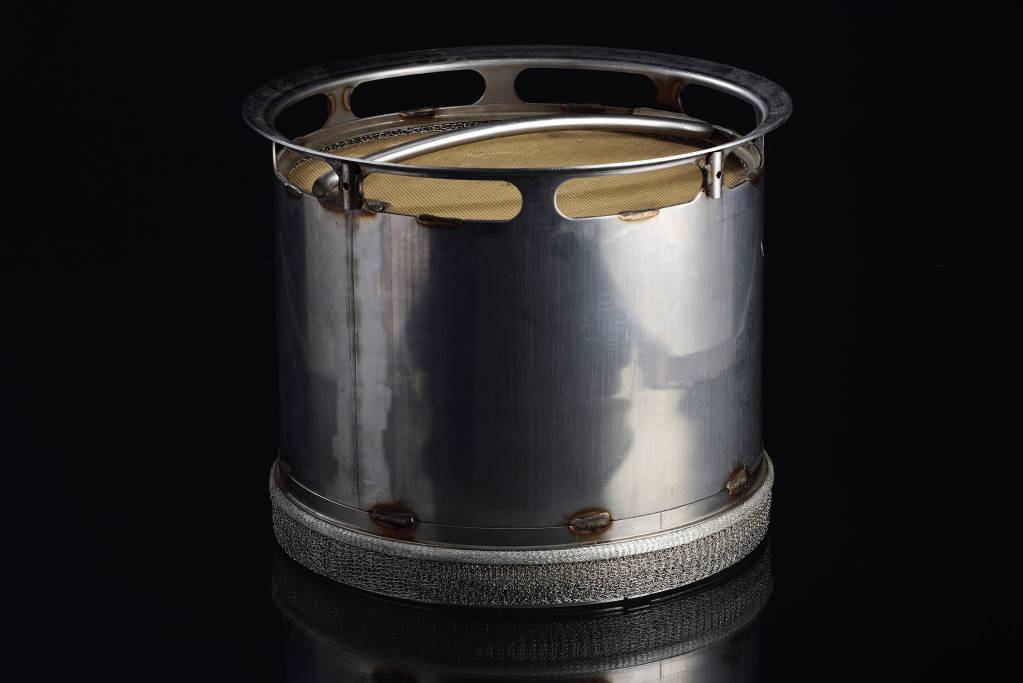
Truck DPF with wire mesh and silica rope gaskets

How Often Should You Clean a Truck DPF?

There is no definitive answer to how frequently a truck DPF should be cleaned, however there are some guidelines you can follow to help you to spot the warning signs:

Mileage-Based Cleaning:

The most common and popular method recommended by experts is to have the DPF cleaned every 100,000 to 150,000 miles for long distance commercial trucks. Trucks that carry heavy loads or travel short distances may need cleaning as often as every 50,000 miles, depending on soot and ash build up.

Driving Conditions:

Trucks travelling long distance on high speed roads such as motorways or highways usually require cleaning less frequently as their DPFs experience passive regeneration due to the higher speeds. Trucks that are driven predominantly around urban areas, and are frequently stopping and starting, will likely need cleaning more often due to incomplete regeneration. Any driving conditions that may cause a surge in your engine power will also result in your DPF requiring cleaning more often.

Warning Signs:

If you notice warning lights, increased fuel consumption, reduced engine power or more frequent active regenerations, your truck DPF likely needs cleaning.

Methods for Cleaning a Truck DPF

Passive Regeneration:

Passive regeneration happens naturally when the temperature of the exhaust gets hot enough during long distance travel. Although this is effective at burning off soot, it doesn’t completely remove ash particles.

Active Regeneration:

Active regeneration is triggered by the trucks system and increases the temperature of the exhaust to burn off soot. Again, ash deposits remain and will eventually require cleaning.

Professional DPF Cleaning:

The only way to fully remove both soot and ash particles is to have the DPF unit professionally cleaned. These methods include thermal cleaning, ultrasonic cleaning or air-blasting.

Conclusion

Maintaining your DPF is essential to protecting your truck and complying with emissions regulations. On average, a truck DPF needs to be cleaned every 50,000 to 150,000 miles, depending on your driving conditions. You should keep an eye out for the warning signs that your DPF needs cleaning, such as warning lights, reduced fuel efficiency and reduced engine power.

Practicing regular maintenance of your truck DPF helps to keep your truck running smoothly while reducing its impact upon the environment.